
Dyeing, Printing and Finishing
Textile Printing Methods: Screen, Rotary, Digital, DTF and Sublimation
17 min read
Searches companies, categories, products, listings, guides and the glossary.
Browse sectors
Contract Workshops and Services
Turkish workshops that print T-shirts, sweatshirts and jerseys (garment printing) and companies that print fabric by the meter (yardage printing). Ask about methods, samples and set-up items; compare quotes.
For buyers
No companies are listed on this page yet. You do not have to wait for the list: describe what you need and request quotes.
Tell us the product, quantity and delivery location. You confirm your request with the link we e-mail you; requests are screened for spam, and our team reviews your first request. It is then sent to up to 20 companies working in this field and stays open for quotes in their company panel for 30 days. You compare the quotes you receive on one page.
Dyeing, Printing and Finishing
Dyeing, Printing and Finishing


Export and Trade
Get your company listed on this page. If you manufacture or provide services in this field, create your free profile; companies are listed after our team has reviewed them.
List your company for freeTextile printing services are two different jobs: piece printing, which prints a specific place on cut parts or finished products (T-shirts, sweatshirts, jerseys), and printing fabric by the meter on the roll before cutting; this category lists the workshops and companies that do them. A comparison of methods is in our textile printing methods guide; this page is about choosing a company, not a method. Companies that sell printing ink, print paste and DTF consumables are in the textile printing inks category; companies that sell or service printing machines are listed under textile printing machines. For logos worked in thread, see embroidery companies.
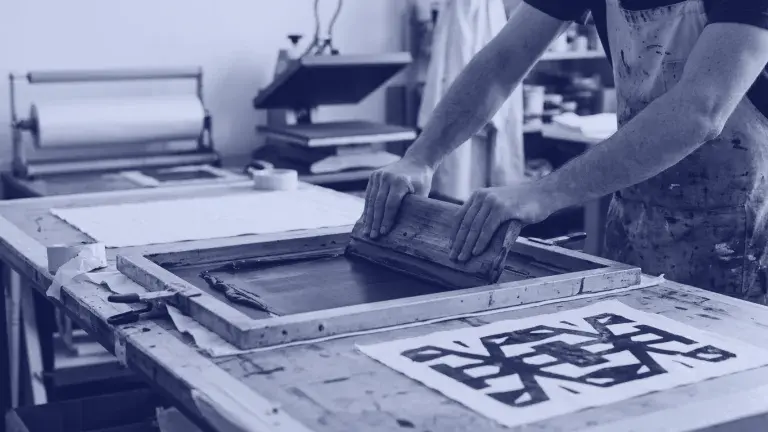
In garment printing the design goes in a specific place on a cut part or a finished product. Ask the workshop:
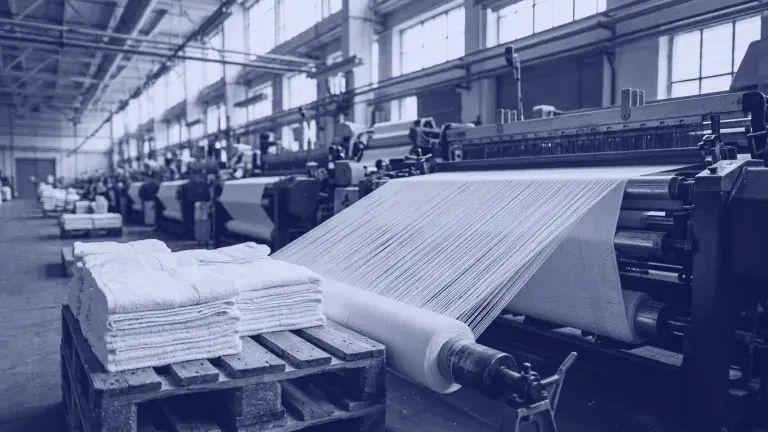
Yardage printing is done on rolls of fabric before cutting; rotary, flat-bed screen and industrial digital printing belong to this group. Rotary printing uses perforated cylindrical screens and is a yardage method used for long runs.
In the Industry Database of the Union of Chambers and Commodity Exchanges of Turkey (TOBB), 235 of the 639 firms with a valid capacity report for printing services on fabrics and textile articles (product code 13.30.14) are in Istanbul, 154 in Bursa and 75 in Tekirdağ (October 2026). The code's sub-items describe printing on woven and knitted fabric, so do not read the figure as the distribution of garment (piece) printing shops. Facilities without a capacity report are not counted.
Ask the company:
The method, quantity, number of colors, size of the print area, fabric type and set-up items determine the price. Which method is economical at which quantity depends on the job, so get quotes from at least two companies on the same specification. A CMT (cut, make, trim) sewing fee generally does not include printing; printing is done in a separate workshop and priced separately.
If a logo or graphic goes in a specific place, look for a workshop that does garment (piece) printing. If the design covers the whole fabric, it is generally printed on the fabric before cutting, and companies that do yardage (fabric) printing handle this. If you are not sure, show your design and product type to one company of each kind and ask for a recommendation.
If possible, send the vector artwork file, the number of colors and color references, the size and position of the print area, the fiber content and weight (GSM) of the fabric, and the total quantity. Complete information raises the chance that the quote and the sample are right the first time.
There is no single figure; it varies by method and company. Methods that need no screen or cylinder preparation generally work with lower quantities, while for methods that need preparation a small quantity raises the unit price. Check the minimum order information on the company profile and ask for it in writing in the quote.