
Fabrics and Yarns
T-Shirt Fabric Types: A Buyer’s Guide to Jersey, Piqué, Interlock and Rib
14 min read
Searches companies, categories, products, listings, guides and the glossary.
Browse sectors
Manufacturers and suppliers of interlock fabric in Turkey: flat on both faces, full-bodied, with edges that do not curl. Compare them on GSM, yarn and certificates for baby clothing, dresses and pajamas.
For buyers
No companies are listed on this page yet. You do not have to wait for the list: describe what you need and request quotes.
Tell us the product, quantity and delivery location. You confirm your request with the link we e-mail you; requests are screened for spam, and our team reviews your first request. It is then sent to up to 20 companies working in this field and stays open for quotes in their company panel for 30 days. You compare the quotes you receive on one page.
Fabrics and Yarns
Fabrics and Yarns
Fabrics and Yarns
Get your company listed on this page. If you manufacture or provide services in this field, create your free profile; companies are listed after our team has reviewed them.
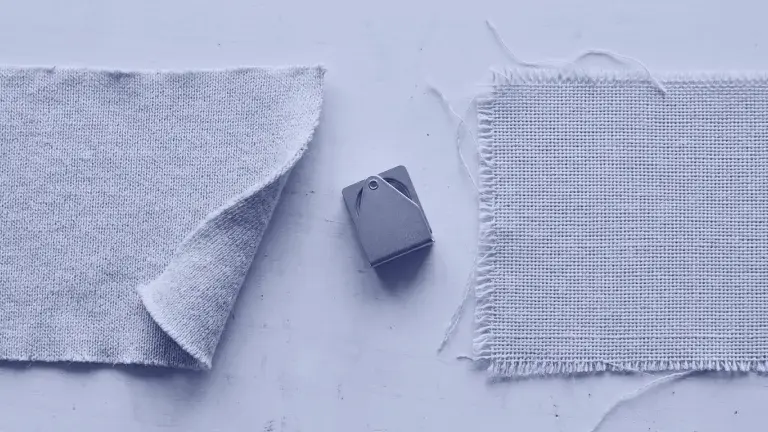
List your company for freeInterlock is a double-bed circular knit fabric that looks flat on both faces; this category covers interlock fabric manufacturers and suppliers. The structure is explained in the interlock glossary entry. In some sources “interlock” is also the name of a sewing machine; if you are looking for machines, see industrial sewing machines.
According to Cotton Incorporated, both faces of interlock are the same, the structure is very stable and the edges do not curl; knitted from combed cotton yarn, it can be very soft. Edges that do not curl are a practical advantage in cutting and sewing. The price is weight: in supplier claims, interlock is generally around 180–260 g/m² (about 5.3 to 7.7 oz/yd²), and some sources go up to 350 g/m² (about 10.3 oz/yd²). At the same price per kilogram and the same open width, a meter of 240 g/m² interlock costs 1.5 times as much as a meter of 160 g/m² single jersey. Compare quotes on cost per meter, not on price per kilogram.
Sources list interlock in T-shirts, baby clothing, dresses, pajamas and loungewear, and in close-fitting garments such as turtleneck tops. Because the GSM range is wide, tell the supplier which product you are targeting and settle the right weight together with a sample.
If you want a light, thin handle, look at single jersey suppliers. The fabric weight (GSM) guide by garment type explains how to choose the weight.
No. On this page, interlock means a double-bed circular knit fabric. “Interlock” also appears in the sewing industry as a machine name; for example, one manufacturer presents a series it developed for sewing knitted garments as a “flatbed interlock sewing machine”. If you are looking for machines, see the industrial sewing machines category.
Cotton Incorporated lists baby clothing among the uses of interlock. For harmful-substance testing you can ask for an OEKO-TEX STANDARD 100 certificate; as of this page's date (October 8, 2026), in the current 01.2026 edition the baby product class (Product Class I, up to 36 months) carries the strictest limit values. Check which product class and scope the certificate covers and until what date it is valid. It is a private certification and does not replace legal requirements, so consult a specialist on the requirements of the market you will sell in.
Not by GSM alone. A knitted-fabric manufacturer's weight guide notes that single-bed single jersey and double-bed interlock give a very different handle at the same 200 g/m² (about 5.9 oz/yd²). Compare the yarn count and the structure together, and decide with a sample.
On cost per meter, not price per kilogram. At the same price per kilogram and the same open width, a meter of 240 g/m² interlock costs 1.5 times as much as a meter of 160 g/m² single jersey. Two interlock fabrics that reach the same GSM with a different yarn count and machine gauge also differ in handle and price, so have the quote state the yarn, whether it is combed or carded, and the machine gauge (E).
If the greige fabric is not in stock, it is knitted for you and the knitting time is added to the lead time; if you want dyed fabric, dyeing and finishing time comes on top of that. The minimum per color and the delivery time can differ widely from company to company, so get a written quote for your own color and quantity and have the delivery date written in.