
Technical Fabric Manufacturers and Suppliers in Turkey
Manufacturers and suppliers of PP woven, coated tarpaulin, laminated, membrane, flame-retardant and high-strength technical fabrics in Turkey. Choose fabric and supplier by performance values.
For buyers
Looking for a supplier in this category?
No companies are listed on this page yet. You do not have to wait for the list: describe what you need and request quotes.
Request a quote and let suitable suppliers reach you
Tell us the product, quantity and delivery location. You confirm your request with the link we e-mail you; requests are screened for spam, and our team reviews your first request. It is then sent to up to 20 companies working in this field and stays open for quotes in their company panel for 30 days. You compare the quotes you receive on one page.
- Free, no account needed.
- You decide whether companies see your contact details.
- We e-mail you when a new quote arrives.
Read before you choose a supplier
-
Dyeing, Printing and Finishing
Denim Wash Types and Techniques: Stone, Enzyme, Ozone, Laser
11 min read
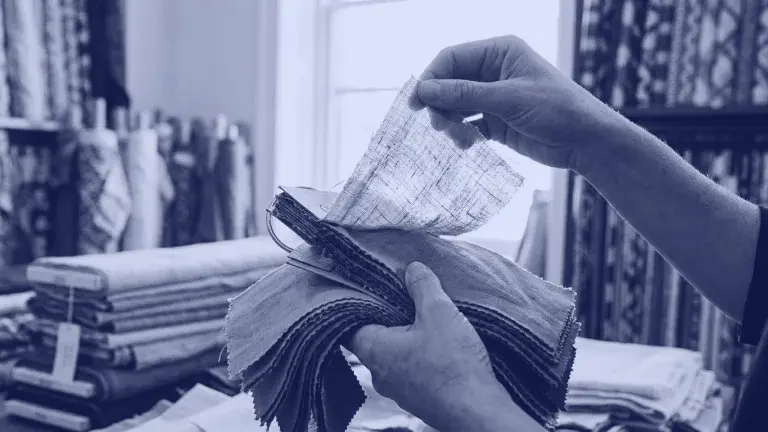
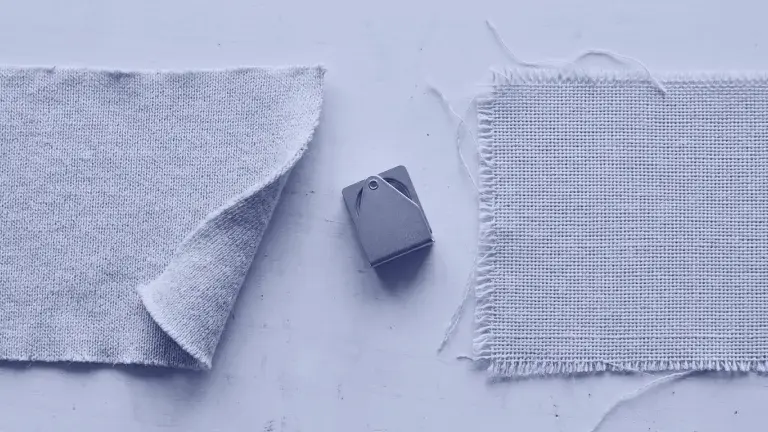
Get your company listed on this page. If you manufacture or provide services in this field, create your free profile; companies are listed after our team has reviewed them.
List your company for freeKey facts
- In this guide, technical fabric means performance fabric sold by the meter or in rolls: coated, laminated, membrane, flame-retardant or high-strength fabric.
- With technical fabric you order performance values, not a fabric name: tensile and tear strength, waterproofness (water column), flame behavior, UV and abrasion resistance.
- A coated fabric has two weights: the GSM of the base fabric and the total GSM with the coating; ask the quote to state both.
- In TOBB capacity reports (October 2026), 88 of 202 firms making impregnated, coated or covered fabrics are in Istanbul and 46 in Bursa; PP woven is outside this code.
- Turkey's national accreditation body is TÜRKAK (Law No. 4457); check that the test method you need is within the laboratory's accreditation scope.
Guide to Technical Fabrics
Kerem Aksoy
Technical Textiles Editor
- Last updated:
- Fact-checked by:
- Gizem Polat
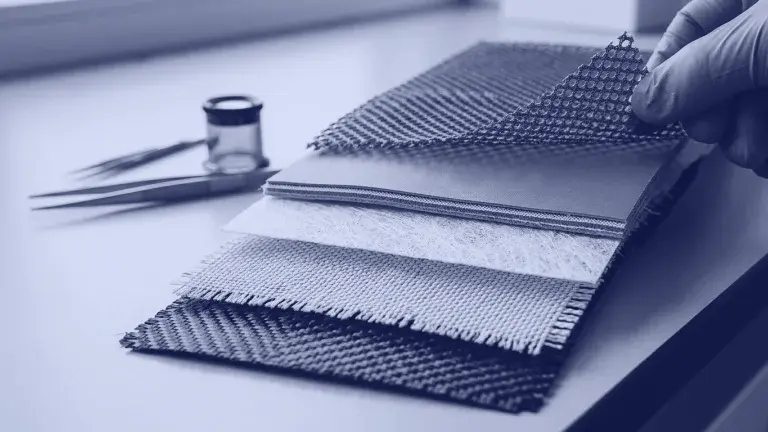
Technical fabric is made for function rather than appearance: surfaces made waterproof or flame-retardant by coating and lamination, fabrics woven from high-strength yarns, membrane-bonded fabrics, and fabrics used as composite reinforcement. This page lists producers and suppliers of such fabrics sold by the meter or in rolls. The scope explicitly includes woven polypropylene (PP) fabric, coated tarpaulin, tent fabric and canvas, coated polyester oxford, and flame-retardant (flame-resistant) fabric, which is called “yanmaz” (non-flammable) in everyday Turkish. Shirting oxford is a different product and belongs to poplin and shirting fabrics. For companies that make big bags and bulk sacks from these fabrics, see FIBC and PP woven bags. For bonded fiber webs see nonwovens. For the medical, automotive or protective products made from these fabrics, see the technical textiles sector, and for apparel and home fabrics see fabrics.
What performance are you buying?
With technical fabric you order performance values, not a fabric name. Put the conditions of use (outdoor, temperature, chemical contact, flame, abrasion) and measurable targets in your inquiry: tensile and tear strength, waterproofness (hydrostatic head, or water column), flame behavior, UV and abrasion resistance. Do not assume that the same GSM means the same performance: fiber type, yarn construction and coating determine it together. For a product sold as “non-flammable” (yanmaz), too, state the flame behavior you expect and the test method; the name of a fabric is not a performance value. For a general classification of fabric types, the fabric types guide helps.
Coated and laminated fabrics: what to check
A coated fabric has two weights: the GSM of the base fabric and the total GSM with the coating. Ask for both. Also ask about the adhesion strength of the coating to the base fabric and its performance after flexing or folding; the amount of coating determines both durability and cost.
Ask a technical fabric supplier about the supply chain, lot and test report
- Supply chain: Are weaving, finishing and coating done in one company, or through subcontractors? The longer the chain, the longer the lead time and the more diffuse the responsibility.
- Minimum order (MOQ): It is set by the size of the dye and coating batch. Selling from stock by the meter and a made-to-order production run are different jobs; ask the quote to state which one applies.
- Sampling: Keep a meter sample separate from the color swatch card. Attach the approved sample and its measured values to the order.
- Documents and testing: Ask for a lot-numbered report from an independent testing laboratory. If a certificate such as OEKO-TEX is offered, check that its scope matches the product you are ordering.
In technical fabrics, fiber, coating and number of layers set the price
Fiber type (polyester, nylon, or specialty fibers such as aramid and glass), the type of coating or lamination and the number of layers, GSM and width, color and print, the number of tests and the order quantity set the price. Two quotes with the same coating name (PU, PVC, silicone) can differ in thickness and performance; compare measurable values.
Where are coated technical fabric producers in Turkey?
Of the 202 firms with a valid TOBB capacity report for impregnated, coated or covered textile fabrics (product code 13.96.14), 88 are in Istanbul and 46 in Bursa (TOBB, October 2026). The code matches only the coated fabric group on this page; it does not cover PP woven or high-strength woven fabrics, so do not assume the same distribution for those groups. The data covers only manufacturers that hold a capacity report. For companies near you, use the province filter in the listing.
Put the specification and test method in the order document
Give the fabric supplier the specification of the final product (which standard, which customer requirement) at the start, and ask by which method the fabric is tested. If the test method and acceptance limits are written into the purchase order, later disputes are less likely.
Sources (4)
- Law No. 4457 on the Turkish Accreditation Agency (TÜRKAK; in Turkish; accessed October 11, 2026)
- TÜRKAK, Turkish Accreditation Agency (accessed October 11, 2026)
- OEKO-TEX, OEKO-TEX STANDARD 100, Standard, Edition 01.2026 (March 3, 2026)
- TOBB Industry Database, capacity reports by province, product code 13.96.14 (accessed October 11, 2026)
Frequently asked questions
Is technical fabric the same as technical textile?
Not exactly. In this directory, technical fabric means performance fabric bought by the meter or in rolls. Technical textiles also cover application sectors such as medical, automotive and protective clothing, and the finished products of those sectors.
What weight should I specify for a coated fabric?
Ask for both the GSM of the base fabric and the total GSM with the coating. If only the total is given, the shares of coating and base fabric are unknown and quotes cannot be compared.
Which laboratory should issue the test report?
If possible, an independent laboratory whose accreditation scope includes the test method. Turkey's national accreditation body is TÜRKAK; check that the method you need is within the laboratory's accreditation scope. The report should clearly show the sample, lot number, method and date.
What drives minimum order and lead time for technical fabrics?
It varies by company; the dye and coating lot size usually sets it. Selling from stock by the meter and producing to order are different jobs, so ask which one the quote covers. If weaving, finishing and coating run along a subcontract chain, lead time usually grows and responsibility is spread; do not leave sampling time out of the lead time.
Where are coated fabric producers located in Turkey?
In the TOBB Industry Database (October 2026), 88 of the 202 firms with a valid capacity report for impregnated, coated or covered textile fabrics (product code 13.96.14) are in Istanbul and 46 in Bursa. The code matches only the coated fabric group; it does not cover PP woven or high-strength woven fabrics, so use the city filter in the listing for those.