What is Taffeta?
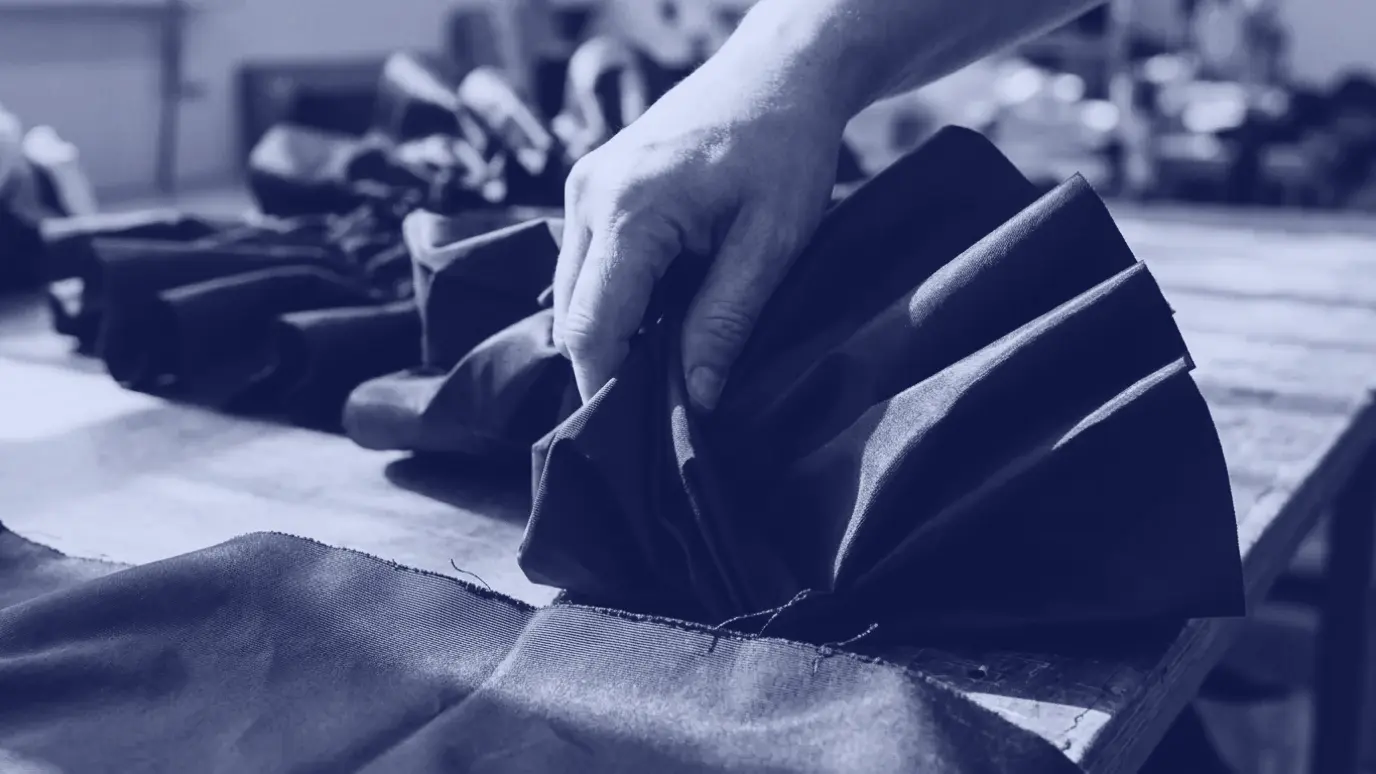
Taffeta is a crisp fabric, typically in plain weave, with a smooth, lustrous surface on both sides. The original fiber is silk; today it is also woven from nylon, polyester, acetate and other fibers. The Turkish dictionary (TDK) defines it as a kind of stiff, silky fabric. In Turkish it is called tafta.
- Published:
- Fact-checked by:
- Gizem Polat
Key facts
- TDK defines taffeta as a kind of stiff, silky fabric; the Getty AAT describes a crisp textile, typically plain weave, lustrous on both sides.
- The original fiber is silk; Dictionary.com lists acetate, nylon, rayon and silk, and SILKNOW silk blends, cotton, wool, polyester and nylon.
- Taffeta is not a fiber name; Turkey's regulation has the label state the fiber by its Annex 1 name, and a quotation should ask for fiber and percentage separately.
- Whether taffeta can be washed depends on its fiber and label; the wash symbols in the GINETEX fiber table show the highest treatment the fiber tolerates, and the product may allow less.
- Dye class follows the fiber: the GINETEX table lists, for example, acid dyes for silk, disperse and acid dyes for polyamide, and disperse dyes for polyester.
Properties
- Fiber content
- The name does not specify a fiber. TDK says silky fabric; Getty AAT gives silk as the original fiber and “various fibers” today; Dictionary.com lists acetate, nylon, rayon and silk, and SILKNOW mentions silk blends, cotton, wool, polyester and nylon
- Structure
- Woven, mostly plain weave. SILKNOW describes a warp-faced plain weave: the weft is a little thicker and is covered by closely set warp yarns, forming fine ribs across the width of the fabric. Getty AAT describes a smooth, lustrous surface on both sides
- Weight range
- No standard weight range is given; Random House says light to medium. Quote weight as g/m² and name the measuring method, such as EN 12127
- Uses
- Formal garments: ball gowns, wedding dresses, bridesmaid dresses; softer types in dress and curtain linings (the Vocabulary.com explanation on the Dictionary.com page); Collins mentions women's clothing in particular
- Care
- No single care rule applies; look at the label first, then the fiber. The GINETEX fiber table does not allow bleaching or tumble drying for silk; its symbols show only the fiber's limit, and color fastness and finish can narrow the product's care further
Taffeta is a crisp fabric, typically in plain weave, with a smooth, lustrous surface on both sides and sometimes fine ribs across the width (Getty AAT). The Turkish dictionary (TDK) calls it a kind of stiff, silky fabric. The original fiber is silk; today it is woven from various fibers, so taffeta is a fabric name, not a fiber name.
What is taffeta?
TDK defines tafta as a kind of stiff, silky fabric; as an adjective it also means made of this fabric. English dictionaries cast the fiber wider. Random House describes a light to medium weight, plain, crisp and lustrous fabric, and Collins a crisp, lustrous plain-weave fabric of silk, rayon and similar fibers (Dictionary.com). The sources do not contradict each other; some stress the weave and others the fiber.
Taffeta structure and properties
The sources draw a common structure: a crisp plain weave. SILKNOW defines taffeta as a warp-faced plain weave in which the weft is slightly thicker and is covered by closely set warp yarns, which forms fine ribs across the width of the fabric.
| Property | Information | Source |
|---|---|---|
| Weave | Plain weave; warp-faced according to SILKNOW | Getty AAT; SILKNOW |
| Surface | Smooth and lustrous on both faces, sometimes with a fine crosswise rib | Getty AAT; SILKNOW |
| Hand | Crisp | TDK; Getty AAT; Collins |
| Weight | Random House says light to medium; there is no standard g/m² range | Dictionary.com; our note |
| Fiber | The name does not specify a fiber (see below) | – |
Taffeta types by fiber
Taffeta is a fabric name, not a fiber name. The fibers the sources mention:
| Fiber | Source | Note |
|---|---|---|
| Silk | TDK; Getty AAT; Dictionary.com | The original fiber; TDK defines only silky taffeta |
| Polyamide (nylon) | Dictionary.com; SILKNOW | Mentioned for modern taffeta |
| Polyester | SILKNOW | |
| Acetate | Dictionary.com | |
| Viscose (rayon) | Dictionary.com | Collins gives silk and rayon as examples |
| Cotton, wool | SILKNOW | Mentioned along with silk blends |
As of the date of this entry (October 22, 2026), a label does not say “taffeta”: under Turkey's regulation on textile fiber names, the fiber is written by its name in Annex 1 (article 6/1; in Turkish), for example “100% polyamide”. Consult an expert about the label of your own product. In a quotation, “taffeta” alone is not enough; ask for the fiber and its percentage as well.
What is taffeta used for?
The Vocabulary.com explanation on the Dictionary.com page mentions taffeta for formal garments and fancy curtains: stiffer types in wide-skirted ball gowns and wedding dresses, with a bridesmaid dress as an example, and softer types in dress and curtain linings. Collins mentions women's clothing in particular. For product-driven searches, see the lining fabrics and wedding and evening dresses categories.
Taffeta care and checks after washing
Because taffeta is not a fiber name, no single care rule exists; the label and the fiber decide. For reading care symbols, see the clothing label requirements guide. The GINETEX fiber table says the wash symbols it shows describe the highest treatment tolerated by the fiber, and the product's own care conditions may be more restricted. Before buying, have a sample washed under the label's conditions. Have the dimensional change measured with an ISO 6330 procedure and ISO 5077, and for dyed taffeta the wash fastness with ISO 105-C06, and check by eye how the crisp, lustrous surface looks after washing.
Fabrics confused with taffeta
| Fabric | How it differs from taffeta | Source |
|---|---|---|
| Satin | Takes its luster from the long floats of a satin weave; taffeta is generally a plain weave | Satin entry; Getty AAT |
| Organza | A sheer, finished plain-weave fabric or a thin stiff fabric; sheerness does not appear in definitions of taffeta | Dictionary.com (Random House; Collins) |
| Chiffon | Getty AAT: a sheer, light plain weave of fine, tightly twisted yarn | Getty AAT (chiffon) |
Frequently asked questions
What is taffeta made of?
Originally silk. Today the sources also name nylon, polyester, acetate and rayon, and SILKNOW adds cotton, wool and silk blends. Because the name does not fix the fiber, ask for the fiber and its percentage.
What is the difference between taffeta and satin?
Satin gets its luster from the long floats of a satin weave, while taffeta is generally a plain weave with a crisp hand and sometimes fine crosswise ribs (Getty AAT; SILKNOW).
Can taffeta be washed?
It depends on the fiber and the label. Taffeta may be silk, polyamide, polyester, acetate or another fiber, and the care symbols on the label decide whether it can be washed. The wash symbols in the GINETEX fiber table are an upper limit for the fiber, and the product may allow less. For fabric without a label, find out the fiber first, then try a small sample.
Can you dye taffeta?
Dyeability depends on the fiber, because the fiber decides the dye class. According to the “commonly used colorants” row of the GINETEX table, acid, metal complex, direct, reactive and pigment dyes are used on silk; disperse, acid, metal complex and pigment dyes on polyamide; and disperse and pigment dyes on polyester and acetate. Before dyeing taffeta of unknown or blended fiber, ask for a fiber analysis.
What does the word taffeta mean?
It comes from Persian tāfte (TDK). According to Dictionary.com, Persian tāftah means “silken or linen cloth” and derives from tāftan, “to twist, spin”; the word appears in English between 1325 and 1375. In Turkish it is both the name of the fabric and an adjective meaning made of this fabric.
Sources (13)
- Turkish Language Association (TDK), Güncel Türkçe Sözlük (current Turkish dictionary; in Turkish), entry “tafta” (accessed October 22, 2026)
- Getty Research Institute, Art & Architecture Thesaurus: taffeta (AAT 300249434; scope note; accessed October 22, 2026)
- SILKNOW Silk Heritage Thesaurus: Taffeta entry (accessed October 22, 2026)
- Dictionary.com, “taffeta” entry (Random House Unabridged Dictionary; Collins English Dictionary; Vocabulary.com explanation; etymology; accessed October 22, 2026)
- Dictionary.com, “organza” entry (Random House; Collins; accessed October 22, 2026)
- Getty Research Institute, Art & Architecture Thesaurus: chiffon (AAT 300249449; accessed October 22, 2026)
- GINETEX, Fibre Table (fiber table: wash symbols, commonly used colorants and general notes; file dated October 15, 2012; accessed October 22, 2026)
- Tekstil Elyaf İsimleri ve Tekstil Ürünlerinin Elyaf Kompozisyonlarıyla İlgili Etiketleme ve İşaretleme Hakkında Yönetmelik (Regulation on Textile Fiber Names and the Labeling and Marking of the Fiber Composition of Textile Products; Turkey; in Turkish, English title translated by us), Official Gazette, April 25, 2015, No. 29337 (article 6; accessed October 22, 2026)
- The same Turkish regulation, current text in the Mevzuat Bilgi Sistemi legislation database (legislation no. 20707; in Turkish; accessed October 22, 2026)
- EN 12127:1997 Textiles. Fabrics. Determination of mass per unit area using small samples (EVS-EN 12127:2000 record; applies to woven and knitted fabrics)
- ISO 5077:2007 Textiles: Determination of dimensional change in washing and drying (confirmed in 2022)
- ISO 6330:2021 Textiles: Domestic washing and drying procedures for textile testing
- ISO 105-C06:2010 Textiles: Tests for colour fastness, Part C06: Colour fastness to domestic and commercial laundering (EVS-EN ISO 105-C06:2010 record)
Author and fact-checking
Written by
Fabrics and Fibers Editor
Elif Karaca is Tekstil Rehberi's fabrics and fibers editor. She writes guides and glossary entries on knitted, woven and nonwoven fabrics, fiber properties and choosing the right fabric for each product, and bases values such as GSM, width, shrinkage and color fastness on standards and mill technical data sheets.
Content by Elif KaracaFact-checked by: Gizem Polat
This content was prepared by the Tekstil Rehberi editorial team. Before publication, our verification editor checked its figures, dates and sources against primary sources.
Spotted an error? Email us at [email protected] How we work →
Articles on this topic
Bed Linen Fabric Types: Percale, Sateen and Thread Count
Percale, sateen, ranforce and flannel compared: what thread count means per inch and as the Turkish per-centimeter “tel”, why “600 thread count” can mislead, and a checklist for writing a spec.
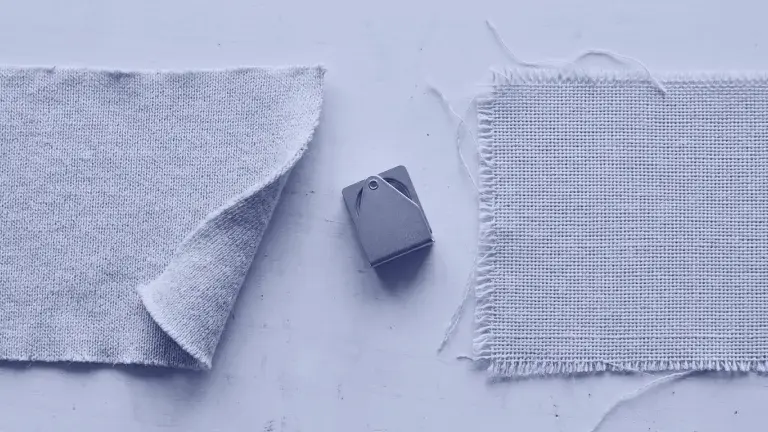
Knit vs Woven Fabric: How to Tell Them Apart
How knit and woven fabrics differ, five checks to tell them apart, the cases that mislead, how to choose by product, and what changes in production, testing and customs classification.
How to Source Fabric from Turkey: Find, Verify, Compare and Order
What Turkish fabric mills make and who they sell to, where to find them, what to plan for on MOQ and lead time, which tests to request, how EU, UK and US duty rules differ and how to verify a supplier.