

Spandex (Elastane) Yarn Manufacturers and Suppliers in Turkey
Companies in Turkey that make and sell bare spandex (elastane) filament, covered spandex and core-spun yarn. Find suppliers for stretch knitted and woven fabric and ask for a technical data sheet.
For buyers
Looking for a supplier in this category?
No companies are listed on this page yet. You do not have to wait for the list: describe what you need and request quotes.
Request a quote and let suitable suppliers reach you
Tell us the product, quantity and delivery location. You confirm your request with the link we e-mail you; requests are screened for spam, and our team reviews your first request. It is then sent to up to 20 companies working in this field and stays open for quotes in their company panel for 30 days. You compare the quotes you receive on one page.
- Free, no account needed.
- You decide whether companies see your contact details.
- We e-mail you when a new quote arrives.
Read before you choose a supplier

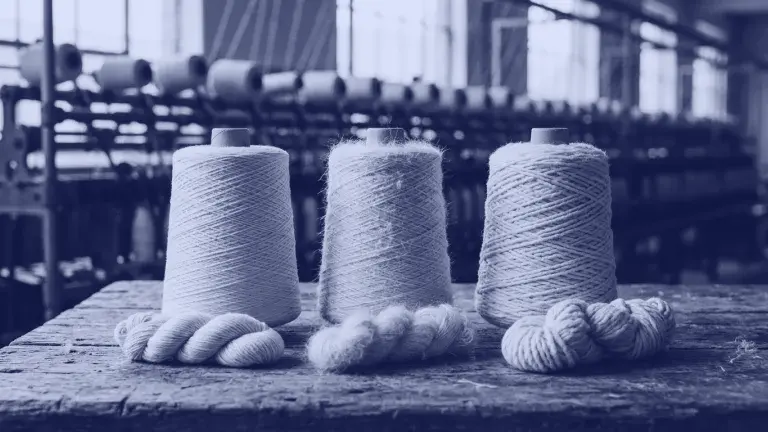


Terms to know in this field
Get your company listed on this page. If you manufacture or provide services in this field, create your free profile; companies are listed after our team has reviewed them.
List your company for freeKey facts
- In Turkey's fiber-name list, elastane (spandex) is a fiber of at least 85% polyurethane by mass that quickly returns to its starting length after being stretched to three times its length.
- In the Turkish market, spandex yarn is also called likra yarn, after LYCRA, a registered trademark of The LYCRA Company.
- Spandex yarn is sold as three products: bare spandex filament, covered spandex and core-spun yarn (SSM; Akankwasa et al., 2013).
- Standard spandex is sensitive to chlorine; according to a manufacturer, chlorine, sunscreen, heat and UV can cause it to lose stretch and recovery over time (The LYCRA Company).
Guide to Spandex Yarn
Murat Yıldız
Yarn and Spinning Editor
- Last updated:
- Fact-checked by:
- Gizem Polat
Spandex, also called elastane (elastan in Turkish), is a polyurethane-based fiber that gives stretch: according to the definition in Turkey's fiber-name list, it is a fiber made up of at least 85% polyurethane by mass that, when stretched to three times its length and released, quickly returns to its starting length. In the Turkish market, spandex yarn is also called likra yarn, after LYCRA, a registered trademark of The LYCRA Company. In garments it is generally used in a small share, but it decides the stretch and recovery of the fabric. As a buyer, first separate three different products.
Three different products
- Bare spandex filament: usually fed on the knitting machine together with another yarn.
- Covered spandex: a spandex core is wrapped with a filament yarn such as polyamide or polyester, or joined to it by air jet.
- Core-spun yarn: staple fibers such as cotton wrap around a spandex core; the yarn looks like cotton yarn from the outside and is used in stretch fabrics.
Which one you need depends on the fabric maker's machine and the look you want. Make the choice together with whoever will make the fabric.
Count, ratio, performance, certificate: what to ask a spandex yarn supplier
- Specification: the spandex count (denier or dtex), the covering material and number of plies or, for core-spun yarn, the count of the main yarn.
- Ratio: the final spandex share in the fabric changes with the ratio in the yarn and with the knit structure. Work backwards from the ratio in your fabric specification and settle it with the supplier.
- Performance: have stretch, recovery and the values after heat setting measured on a fabric sample.
- Certificate: if a product-safety certificate (for example OEKO-TEX) is requested for spandex yarn, get the certificate number and the product group it covers in writing.
Ask for a technical data sheet
The tension at which spandex is fed into the fabric directly affects the stretch and recovery of the fabric; the fabric maker sets this. Ask the supplier for a technical data sheet for the yarn, together with the recommended running conditions, and pass them to the fabric maker.
Spandex fabric, elastic tape and swimwear are listed elsewhere
If you want a spandex fabric, see the knitted fabrics page. For the elastic bands and tapes that are sewn into garments, there is the elastics and tapes category. Ready products that combine spandex with cotton or polyester in a single yarn may also be listed under blended yarn. If you are looking for a finished swimwear or sportswear product made with spandex, see the swimwear and beachwear and sportswear categories.
Count, covering and type set the price of spandex yarn
The spandex count, the covering material and number of plies and, for core-spun yarn, the type and count of the main yarn set the price. Special types such as chlorine-resistant ones are offered as separate products; compare their price only with spandex of the same type. Ask for the minimum quantity in kilograms and by type.
Sources (5)
- Regulation on Textile Fiber Names and on the Labeling and Marking of the Fiber Composition of Textile Products (Official Gazette, April 25, 2015, no. 29337; in Turkish; accessed October 11, 2026)
- The LYCRA Company, LYCRA XTRA LIFE® Fiber Creates Durable Swimwear (accessed October 11, 2026)
- Akankwasa, N. T., Siddiqui, Q., Kamalha, E., Ndlovu, L. (2013). Cotton-elastane ring core spun yarn: A review (record; accessed October 11, 2026)
- SSM, Air Covering Machines (machine manufacturer page; accessed October 11, 2026)
- The LYCRA Company, Trademarks and Patents (accessed October 11, 2026)
Frequently asked questions
What should spandex in swimwear and sportswear offer?
Standard spandex is sensitive to chlorine; according to a manufacturer, chlorine, sunscreen, heat and UV can cause it to lose stretch and recovery over time. For pool use, ask the supplier for a chlorine-resistant spandex type and ask for a chlorine-resistance test on the fabric. Set heat-setting and ironing temperatures according to the supplier's recommendation.
How is spandex yarn stored?
Heat and light can reduce the elasticity of spandex over time, so keep the packages in a cool, dry place away from direct light. Get the recommended storage conditions and shelf life from the supplier in writing. Before use, check the stretch and recovery values of packages that have been waiting for a long time.
How is the minimum order quantity for spandex yarn determined?
Bare spandex filament, covered spandex and core-spun yarn are three separate products, and the minimum can vary by type. The count (denier or dtex), the covering material, the number of plies and special types such as chlorine-resistant ones can change the lower limit. Ask for the quantity in kilograms and by type, in writing in the quote.
What sets the price of spandex yarn?
The spandex count (denier or dtex), the covering material and the number of plies; for core-spun yarn, the type and count of the main yarn. Special types such as chlorine-resistant ones are offered as separate products; compare their price only with spandex of the same type. The final spandex share in the fabric changes with the ratio in the yarn and with the knit structure, so evaluate the quote by working backwards from the ratio in your fabric specification.